


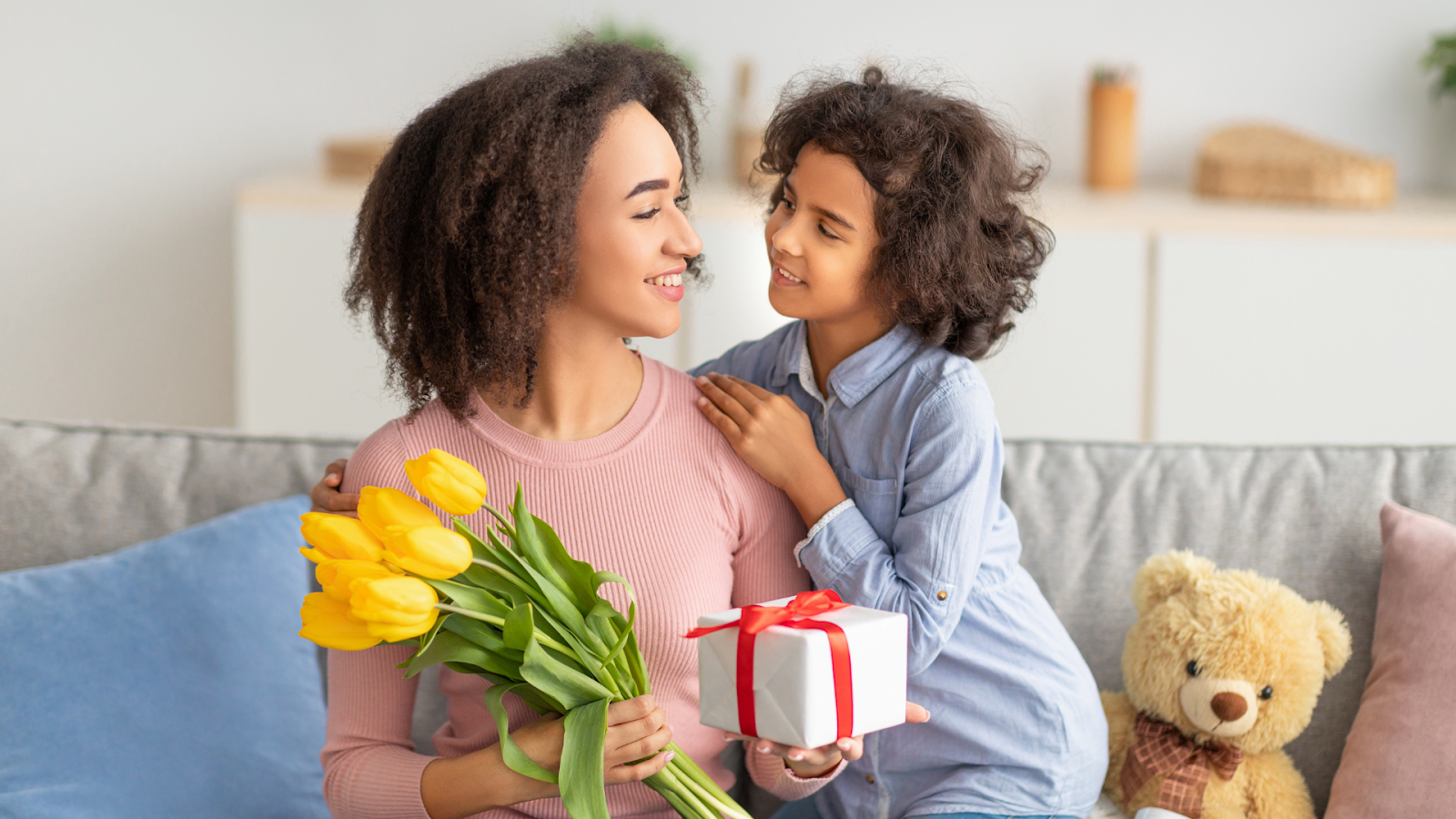
You’ve probably witnessed it yourself, someone opens a bouquet and suddenly tears appear. What’s happening there? Neuroscientists have actually pinpointed specific brain pathways that light up when we encounter flowers, immediately releasing dopamine and oxytocin into our systems.
Here’s what gets interesting: these are forming actual memory patterns that influence how we connect with the people we love. The emotional impact of flowers runs deeper than aesthetics alone. Current research demonstrates these organic gifts stimulate memory formation, drop cortisol concentrations, and forge relationship connections in ways that outperform most conventional presents.
The Science Behind the Emotional Power of Mother’s Day Flowers
Real neurological processes validate what you’ve probably sensed instinctively about floral gifts. Someone receives flowers, and their brain does far more than notice something pretty, it initiates an entire emotional cascade. Consider this: Mother’s Day sees roughly 23 million flower stems purchased, with bouquets claiming the top spot among seasonal gifts.
That volume tells you something important, flowers work. They communicate affection in ways that consistently land. Colour psychology adds another layer here, since various shades produce distinct emotional reactions in recipients.
The Gift-Giving Psychology at Work
Giving flowers on special occasions connects directly to attachment theory fundamentals. When you present mother’s day flowers, you’re doing something beyond basic gift exchange, you’re triggering reciprocity mechanisms that cement emotional relationships. This physical manifestation of care validates emotions when language falls short.
The custom has matured beautifully over time. Traditional cut arrangements still hold their appeal, yet increasingly families opt for mothers day plants that continue thriving well beyond the holiday itself. Living plants carry symbolism of lasting affection while offering mothers something to tend, establishing a connection that extends indefinitely.
Creating Memories Through Scent and Sight
Your sense of smell wires straight into the limbic system, basically your brain’s emotional headquarters. This explains why rose or lily fragrance can teleport you backward to specific memories instantly.
Mothers frequently remember particular Mother’s Day deliveries decades later, recalling precisely how those moments felt. These multi-sensory encounters generate what psychology calls “emotional imprinting.” Visual appeal combines with fragrance and tactile softness to permanently etch occasions into long-term storage.
Immediate Emotional Benefits of Giving Mother’s Day Flowers
Beyond laboratory findings, practical effects manifest in daily life. We’re talking observable shifts in emotional state and interpersonal connection.
Pure Joy and the Element of Surprise
Something about unexpected flower arrivals creates emotional highs unlike anything else. Data reveals happiness metrics jump dramatically with floral deliveries, especially unanticipated ones. That doorbell chime, those brilliant colours emerging from tissue paper, these instances puncture everyday routine.
Testimonials from mothers repeatedly emphasise surprise as central to their reactions. Even anticipating Mother’s Day, the exact timing and arrangement details still generate delight.
Feeling Seen and Valued
The best flowers for mother’s day express gratitude in ways that bypass verbal communication entirely. For mothers feeling invisible or taken for granted (which honestly happens far too often), flowers provide essential emotional confirmation.
Psychological research on acknowledgement and self-perception confirms that symbolic acts like flower-giving substantially elevate confidence levels. There’s actually a meaningful distinction between anticipated versus surprise floral gifts. Both carry significance, yet unexpected deliveries typically spark stronger responses because they demonstrate spontaneous consideration.
Natural Stress Relief
Environmental psychology confirms what flower shops have understood forever, flowers in your environment measurably reduce stress. Documentation shows actual cortisol decreases when people regularly interact with flowers. Medical facilities use therapeutic flower programmes to calm anxious patients.
Here’s a sobering context: in 1960, approximately 5 million children lived solely with their mother. Today, that figure reaches 25 million, exceeding 40% of American children. Mothers facing poverty suffer depression and anxiety at substantially elevated rates. For these exhausted moms, flowers can deliver precious intervals of tranquillity and happiness.
Long-Term Impact on Mother-Child Relationships
Immediate happiness counts, but genuine value emerges in how flower-giving patterns relationships over years. These customs create emotional infrastructure supporting family connections.
Building Traditions That Last
Yearly flower-giving establishes anticipation and rhythm. Establishing this practise means constructing emotional reliability through repetition. Multi-generational customs frequently revolve around these floral traditions, with grandchildren eventually perpetuating what previous generations initiated.
The significance of gifting flowers transcends individual moments, it integrates into family character. These patterns provide relationship anchoring that might otherwise weaken over time.
Healing Difficult Relationships
Flowers function as emotional peace offerings when conversation stalls. Research on non-verbal signals demonstrates how symbolic actions can unlock situations that direct discussion cannot. Mental health professionals commonly suggest flower-giving as a preliminary step in reconciliation.
Case documentation shows how strained mother-child dynamics sometimes reconnect through straightforward floral gestures. The action communicates “you’re in my thoughts” without forcing immediate reciprocation.
Creating Shared Emotional Experiences
The exchange moment during flower giving establishes shared emotional ground. In our screen-dominated era, these physical interactions gain additional meaning. Families now build customs around the reveal moment, capturing reactions that amplify emotional bonds through shared documentation.
These preserved memories evolve into family lore, repeated at reunions and reinforcing emotional connections across years.
Choosing the Right Blooms
Not every flower transmits identical messages. Grasping symbolic meanings helps you choose arrangements that connect with your particular mother.
| Flower Type | Primary Emotion | Best For | Longevity |
| Roses | Deep love & admiration | Traditional moms | 7-10 days |
| Lilies | Purity & devotion | Spiritual mothers | 10-14 days |
| Tulips | Perfect love & cheer | Cheerful personalities | 5-7 days |
| Orchids | Rare beauty & strength | Strong, unique women | 2-3 weeks |
| Sunflowers | Adoration & loyalty | Optimistic moms | 7-10 days |
Colour choice carries tremendous weight. Red signals passion, pink conveys appreciation, white indicates purity, and yellow represents cheerfulness. Birth month flowers add personalisation, while preferred colours forge immediate emotional resonance.
Wrapping Up the Emotional Journey
The emotional impact of flowers isn’t clever marketing, it’s neuroscience meeting psychology meeting generations of human connection. When you give mother’s day flowers, you’re activating real biochemical systems, establishing permanent memories, and reinforcing bonds defining family structure. These natural expressions communicate what language sometimes cannot, delivering validation, happiness, and solace. Whether you select traditional arrangements or contemporary options, the gesture itself carries substantial emotional significance. This Mother’s Day, recognise the genuine transformative capacity of simple floral gifts, you might just establish a memory lasting lifetimes.
Common Questions About Mother’s Day Flower Giving
- Can flowers really improve mental health, or is it just temporary happiness?
Research documents flowers triggering authentic neurological reactions extending well past initial surprise. Consistent flower exposure correlates with decreased depression and anxiety indicators long-term.
- What if my mother says she doesn’t want flowers?
This reaction frequently conceals deeper concerns about deservingness or practical considerations. Think about potted alternatives, or combine flowers with quality time addressing underlying emotional requirements.
3.How do I maximise the emotional impact on a tight budget?
Consideration outweighs cost. Personally arranged wildflowers or individual stems with genuine notes frequently resonate more profoundly than expensive bouquets delivered impersonally.
