


Here’s something nobody tells you when you install beautiful new tiles: that showroom gleam disappears faster than you think. And no, it’s not just because people walk on them. Most of us miss the critical maintenance steps that actually matter, then end up staring at replacement invoices for several thousand dollars.
This guide walks you through daily habits, intensive cleaning protocols, and protective measures that genuinely extend your floor’s life by decades. Consider this: urbanization is surging by 2050, up to 68 percent of the population will reside in urban regions which means your floors are taking unprecedented punishment from increasingly dense living patterns.
Understanding Your Ceramic Floor Tiles: Materials, Finishes, and Maintenance Needs
Before you dip that mop in a bucket, stop. What exactly are you dealing with? Using the wrong approach for your specific tile can actually speed up deterioration rather than prevent it. That’s maintenance turning into an expensive blunder.
Glazed vs. Unglazed Tiles: Different Care Requirements
Glazed tiles come with a protective glass-like layer that fights off stains and moisture. They’re shiny, sealed tight, and pretty tolerant of various cleaning solutions. Unglazed versions? They lack that protective coating entirely. They’re porous, meaning they’ll suck up liquids fast if you haven’t sealed them properly.
Want to know which you have? Simple water test. Drop a few beads on the surface and watch what happens. If they sit there like little pearls without soaking in, you’ve got glazed tiles. When you’re working with ceramic floor tiles from reputable suppliers, glazed varieties typically dominate home installations since they hold their shine longer and demand less fussy maintenance.
Why Grout Matters More Than You Think
Your grout is cement-based. That means it’s porous and considerably weaker than the tiles themselves. It pulls in moisture, grime, and stains like a thirsty sponge. Eventually, deteriorated grout lets water creep beneath your tiles, wrecking the adhesive bond and creating hollow pockets that crack under pressure.
Healthy grout is what literally keeps your floor intact. When it starts crumbling or turning black, your entire floor’s structural foundation suffers even if the tiles themselves still look decent.
Daily and Weekly Maintenance Routines for Lasting Shine
Now you understand what you’re working with. Let’s turn that knowledge into actionable daily routines. These habits consume less than five minutes but deliver years of visible protection.
The 5-Minute Daily Defense
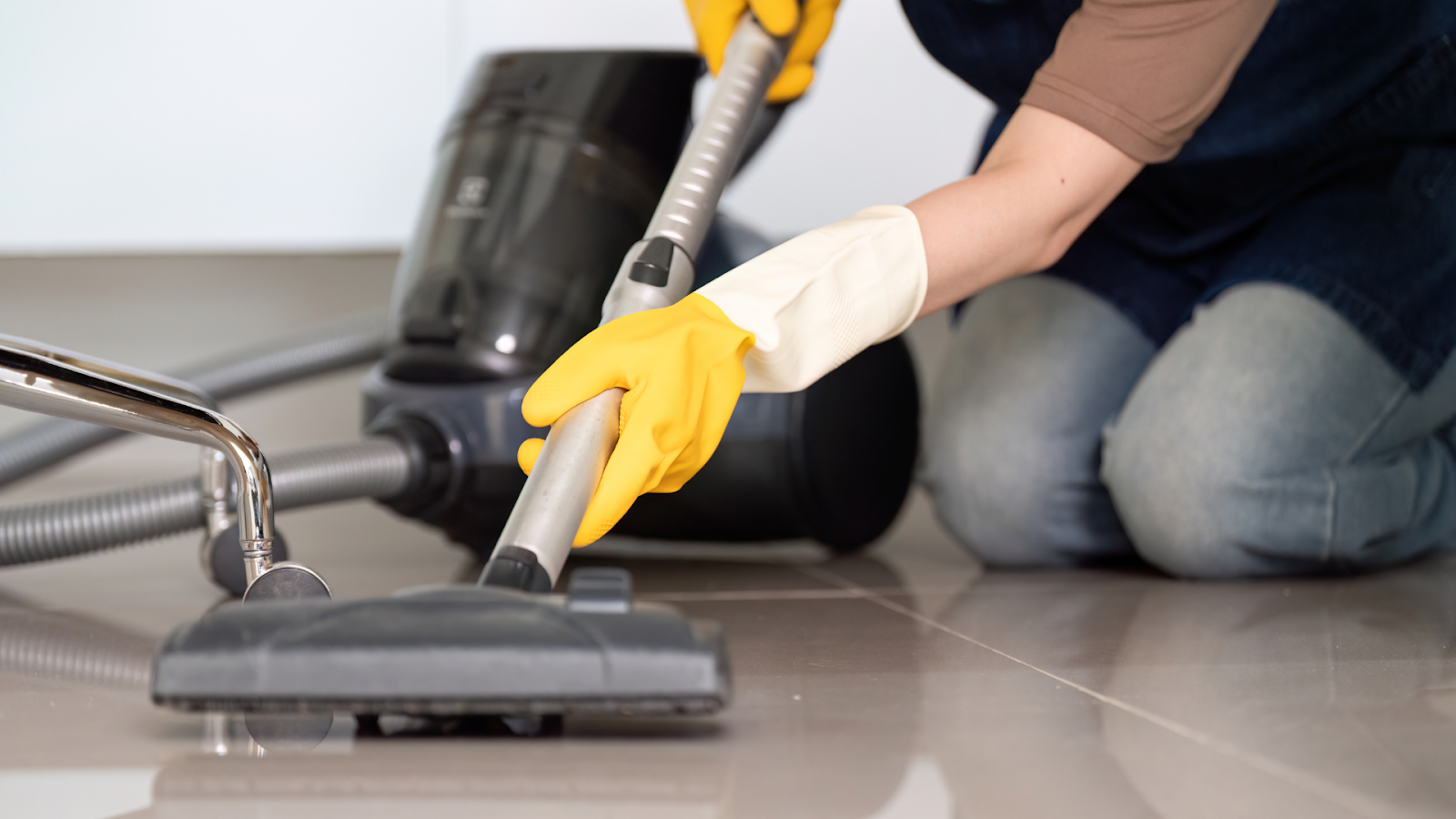
Dry dust mopping clears away grit before it has a chance to scratch your surface. Sand and dirt particles function like fine-grade sandpaper under foot traffic, slowly grinding down even the toughest glazed finishes. Put entry mats at both sides of your doors; they’ll trap roughly 80% of incoming debris before it ever reaches your floors.
Spills? Address them immediately with a damp microfiber cloth. The longer any liquid sits (especially on unglazed tiles or grout), the deeper it penetrates and the harder it stains.
Best Way to Mop Ceramic Tile Floors: Weekly Deep Clean Method
The best way to mop ceramic tile floors requires warm water not hot and a pH-neutral cleaning solution. Hot water gradually loosens grout bonds, while harsh acidic or alkaline cleaners strip away protective layers from both your tiles and grout lines. Mix roughly two tablespoons of neutral cleaner per gallon. Less truly is more in this scenario.
Employ a two-bucket approach: one bucket holds your cleaning solution, the other contains rinse water. This stops you from redistributing dirty water across freshly cleaned sections. After you’ve mopped, dry everything with a clean microfiber towel to avoid water spots and mineral buildup, particularly if your area has hard water issues.
Protect Ceramic Tile Shine: Advanced Surface Protection Methods
Deep cleaning handles existing buildup, sure. But without proper protective barriers, your tiles will reabsorb stains and lose that shine within weeks. Here’s how you lock in that just-cleaned appearance and why this matters more than most people realize.
Ceramic Tile Sealers: Types and Application
Penetrating sealers soak directly into your tile and grout, blocking moisture from inside the material. Topical sealers create a surface film that adds extra shine but tends to wear away quickly in busy areas. For typical home floors, penetrating sealers deliver better results since they don’t need constant reapplication usually every 3-5 years based on foot traffic.
Before sealing anything, test compatibility on a spare tile or hidden corner. Some sealers will darken your tiles or create a glossy finish you didn’t ask for. The application process is straightforward: clean everything thoroughly, allow complete drying (minimum 24 hours), then apply your sealer with a foam applicator in thin, consistent coats.
Grout Sealing: The Critical Step Most Homeowners Skip
Unsealed grout destroys your floor’s appearance faster than any other single factor. It darkens from absorbed dirt, sprouts mold in damp spaces, and eventually disintegrates from moisture exposure. Here’s something worth considering: in 2019, 39% of worldwide CO2 emissions were attributable to the construction industry, with 11% due to the manufacturing of construction materials. When you extend tile longevity through proper sealing, you’re genuinely reducing environmental impact.
Apply grout sealer every year in bathrooms and kitchens, every other year in less-trafficked rooms. Use a small foam brush or precision applicator bottle to coat just the grout lines without getting sealer on your tiles wipe away any overspray immediately with a damp cloth.
Long Term Care for Ceramic Floor Tiles: Quarterly and Annual Maintenance
Protective sealers offer daily defense, but keeping tiles functional for decades demands strategic quarterly and annual interventions. These tackle seasonal challenges and cumulative wear that daily routines simply can’t address alone.
Seasonal Maintenance Checklist
Spring works perfectly for grout inspection and resealing after winter’s moisture assault. Look for cracks, color changes, or soft patches that signal water damage. Summer introduces UV exposure concerns if tiles sit near windows or glass doors, UV-blocking films can prevent fading on colored varieties.
Fall demands pre-winter waterproofing verification, especially near entryways where melting snow and ice will collect. Winter requires constant vigilance against salt and de-icer damage, which etches tile surfaces and rapidly degrades grout.
Professional Deep Cleaning: When DIY Isn’t Enough
Call in professionals when you notice stubborn discoloration that resists regular cleaning, or when grout has darkened beyond what home remedies can fix. Professional tile restoration includes high-pressure steam extraction, commercial-grade solutions, and grout repair techniques that eliminate years of embedded contamination. The cost typically $200-400 for an average-sized room pays dividends by adding 5-10 years to your floor’s functional life, postponing replacement expenses that easily exceed $2,000.
Creating Your Personalized Maintenance Schedule
You’ve got the tools and techniques down. Success now hinges on consistent execution. A customized maintenance calendar ensures nothing slips through the cracks while keeping the time investment manageable for your specific situation.
Customizing Based on Household Factors
High-traffic zones demand daily attention entryways, kitchens, and hallways absorb the most abuse. Low-traffic bedrooms can usually manage with weekly spot treatments. Pet ownership escalates everything because fur transports dirt and claws leave scratches. Households with children require more frequent spill response but can use gentler cleaners than adult-only homes.
Your daily routine takes roughly 5 minutes: dry mop busy areas and handle spills. Weekly sessions need 15-20 minutes for proper mopping. Monthly deep grout cleaning requires 1-2 hours. Quarterly inspections take 30 minutes to walk your entire floor and spot damage. Annual professional assessment or DIY intensive restoration consumes 2-3 hours but prevents thousands in future repair bills.
Common Questions About Ceramic Tile Maintenance
How often should I deep clean my tiles to maintain their shine?
Deep clean grout lines every month and professionally steam-clean your complete floor annually. Daily dry mopping plus weekly damp mopping handles surface maintenance between intensive sessions. Busy households might need professional cleaning twice yearly.
Can I use vinegar daily on ceramic tiles, or will it damage them over time?
Restrict vinegar to weekly use at a 50/50 water dilution. Daily applications etch grout and gradually dull glazed surfaces. Stick with pH-neutral cleaners for routine work to avoid long-term acid erosion.
What’s the difference between cleaning ceramic tiles and maintaining them for longevity?
Cleaning eliminates visible dirt. Maintenance encompasses preventive actions like sealing, grout protection, traffic pattern management, and fixing minor problems before they escalate into major issues requiring replacement. Long term care for ceramic floor tiles strategically blends both approaches.
Final Thoughts
The three pillars of ceramic floor tile maintenance are prevention, consistent care, and protection. When you truly understand how to clean ceramic floor tiles correctly and apply appropriate sealers to protect ceramic tile shine, your floors can last 30-50 years instead of needing replacement in 10-15.
Start today with daily dry mopping that single habit prevents more damage than any deep cleaning can reverse. Your tiles represent a significant investment worth protecting, and consistent maintenance costs pennies compared to premature replacement expenses.
