


Robot vacuums promise effortless clean floors, yet many homeowners notice the same issue: certain areas never seem to get cleaned properly. Missed dirt spots can show up along walls, corners, tight gaps, or even in wide open spaces where the robot fails to pass over consistently. These gaps occur because robot vacuums depend heavily on their navigation system, suction design, mapping logic, and obstacle detection. Understanding why these machines struggle gives you more control over choosing the right model and getting better performance from the one you own. As shoppers explore black friday robot vacuum deals, knowing how dirt gets missed becomes essential for finding a model that delivers complete and reliable cleaning—especially if you’re considering advanced systems like the eufy Robot Vacuum Omni S1 Pro.
What Causes Robot Vacuums to Miss Dirt Spots
Navigation Systems Can Limit Coverage and Precision
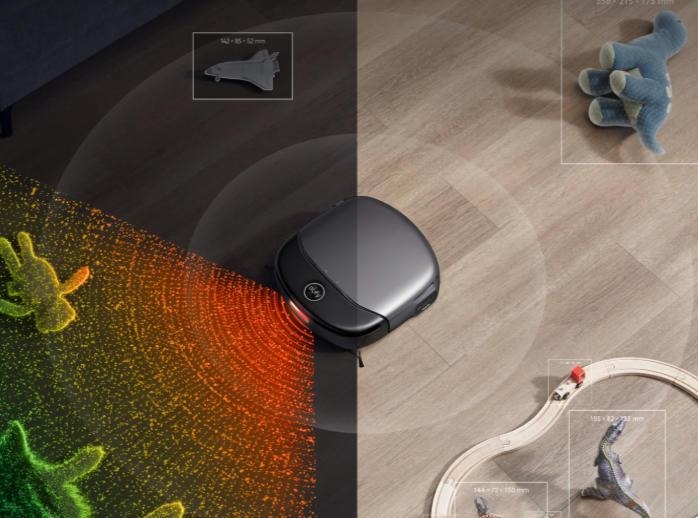
Many robot vacuums use basic navigation patterns like random movement or simple bump-sensing. These systems do not understand room layout, meaning the robot wanders without knowing which areas it has already cleaned. As a result, it may repeatedly cover the same spot while completely missing another. Even mid-range models that use laser-based navigation sometimes struggle in irregularly shaped rooms or areas with multiple obstacles. That’s where more advanced navigation makes a difference. The eufy Robot Vacuum Omni S1 Pro uses 3D MatrixEye™ technology—a system inspired by human vision—to recognize surroundings, map layouts in real time, and move with purpose. Instead of guessing where to clean next, it responds intelligently to room shape and furniture patterns.
Corners, Edges, and Tight Spaces Challenge Basic Designs
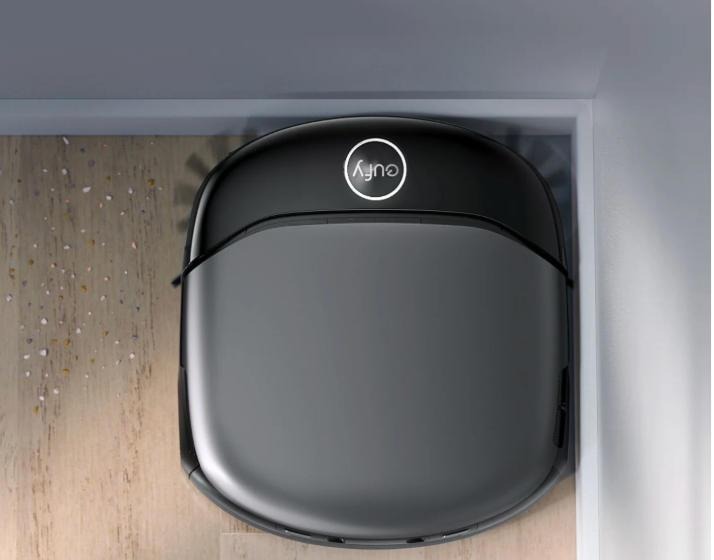
Most dirt ends up in the hardest areas to reach—corners, under furniture edges, and along the baseboards. Basic robot vacuums often fail here because their side brushes don’t extend far enough, their suction path is too narrow, or their sensors prevent close contact with walls. A robot needs both the reach and the programming to clean these tricky areas thoroughly. The S1 Pro handles edge and corner cleaning with its Precision Corner-to-Edge Clean system, which directs suction power and brush motion specifically toward tight angles. This design helps ensure the vacuum doesn’t leave the most visible dirt behind. When a robot is built to handle corner geometry, the entire room looks cleaner, not just the center.
Poor Obstacle Detection Leads to Avoided Zones
Some robots see obstacles as large danger zones. Instead of navigating around objects like chair legs, pet toys, or table stands, they take unnecessary detours, creating untouched patches of floor. This happens when the detection system lacks depth perception. A more advanced robot can distinguish between a large object that must be avoided and a small obstacle that can be cleaned around safely. The S1 Pro’s 3D perception system identifies object size and distance accurately, allowing it to clean around the object rather than treating everything as a wall. Better obstacle handling leads to better surface coverage. When the robot can move confidently in complex environments, it misses fewer dirt spots—especially in busy or child-friendly homes.
What You Can Do to Minimize Missed Spots From Any Robot Vacuum
Optimize Room Layout and Remove Unnecessary Barriers
Before running the vacuum, removing loose items, cables, and clutter helps the robot move smoothly. Even advanced robots benefit from cleaner pathways because every unnecessary detour reduces coverage efficiency. If the room layout keeps the robot from entering or exiting certain areas, those spots will always be missed. Creating open flow zones allows any robot—especially models with intelligent mapping—to complete the cleaning map accurately. This also helps the S1 Pro’s mapping system create more precise room outlines, improving performance over time.
Use Scheduled Cleaning to Maintain Light Workloads
Robot vacuums tend to miss spots when too much dirt accumulates between cleaning cycles. When dirt collects in big piles, even the best machine may fail to pick up every grain because debris spreads unpredictably. Running scheduled cleanings ensures that daily buildup stays manageable. The S1 Pro excels at this because it can be scheduled easily through the app. Frequent, automated cleanings reduce the chance of visible overlooked patches and maintain consistent cleanliness without your involvement.
Choose a Robot With Strong Suction and an Always-Clean Mop Feature
Navigation determines where a robot goes, but suction and mopping determine how well it removes dirt once it gets there. Weak suction means debris is scattered rather than collected, especially on carpets or textured floors. The S1 Pro’s powerful cleaning system lifts deeply embedded dust while its HydroJet™ system keeps the mop surface fresh throughout the cleaning cycle. This combination helps ensure that the robot not only reaches more areas, but also cleans them thoroughly in a single pass. Strong systems reduce the number of times a robot must revisit the same area, increasing overall coverage efficiency.
Conclusion
Robot vacuums miss dirt spots for several reasons—imprecise navigation, weak corner-cleaning design, or obstacle detection that avoids too many areas. By understanding these limitations, you can choose models that prioritize accuracy, coverage, and intelligent room mapping. Devices such as the eufy Robot Vacuum Omni S1 Pro tackle these challenges through advanced vision-based navigation, powerful suction, HydroJet™ mopping, and precise corner cleaning. They deliver a far more thorough and consistent clean than machines relying on basic movement patterns. Whether you’re shopping during a sale event or comparing everyday options, focusing on navigation, coverage, and cleaning technology ensures you choose a robot that doesn’t just clean occasionally—it cleans completely and reliably every single day. Also Read
