


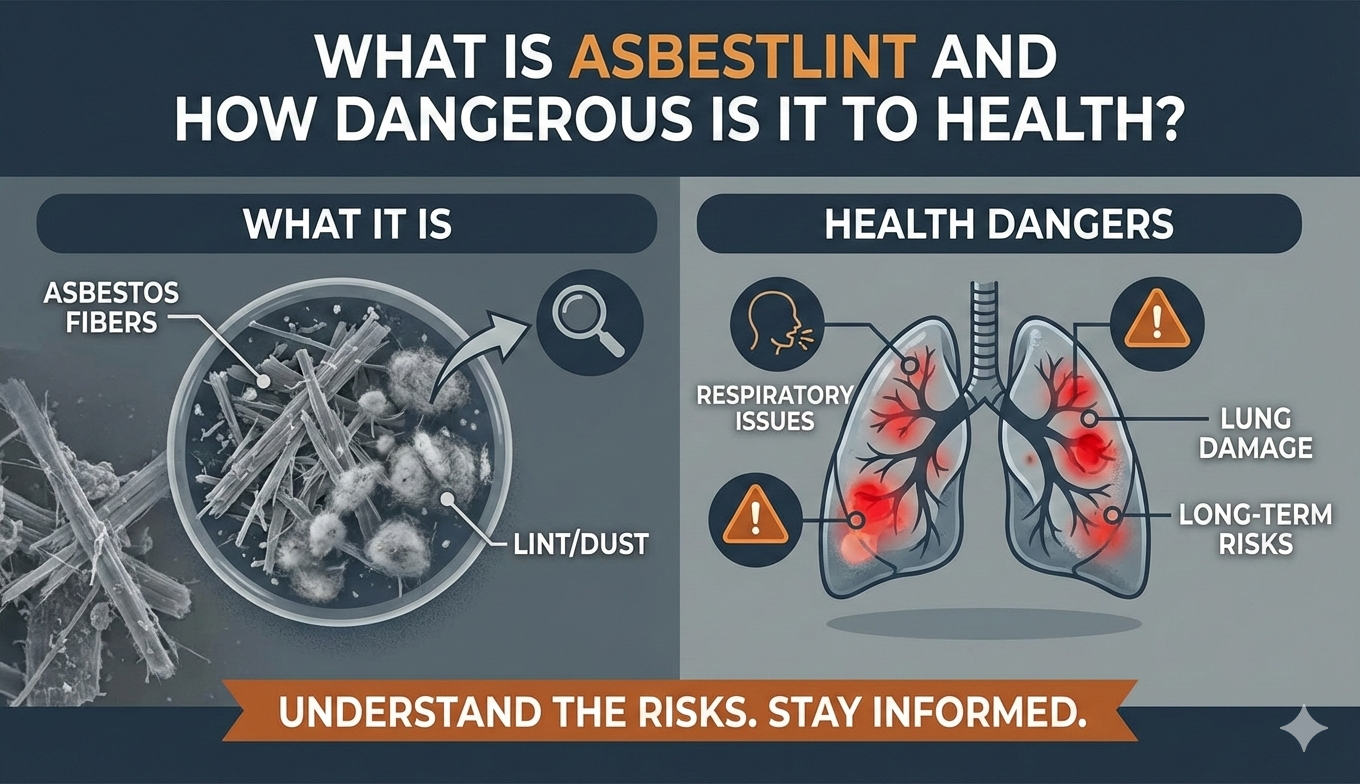
Asbestlint, also known as asbestos tape, is a heat-resistant material that was widely used in the past for insulation and fire protection. It is made from asbestos fibres, which are strong, flexible, and resistant to high temperatures.
Because of these properties, asbestlint was commonly applied around pipes, boilers, ducts, and industrial equipment, especially in older buildings. At the time, asbestos was considered a reliable solution for safety and insulation. However, we now know that asbestos exposure can be extremely harmful to health. When asbestlint becomes damaged or disturbed, it can release airborne asbestos fibers, creating serious health risks.
Historical Use of Asbestlint in Buildings and Industry
Asbestlint was widely used from the early 20th century until the 1980s in both residential and industrial buildings. It provided insulation for pipes, boilers, and heating systems, and helped prevent fires due to its heat-resistant properties.
Factories, schools, and homes often contained asbestos tape without people knowing the risks. Over time, as awareness of asbestos health effects like mesothelioma and asbestosis grew, regulations were introduced to limit its use and encourage safe removal by professionals.
Types of Asbestos Fibres Found in Asbestlint
| Fibre Type | Characteristics | Common Uses in Asbestlint | Health Risks |
|---|---|---|---|
| Chrysotile (White) | Flexible, heat-resistant | Pipe insulation, boilers, ducts | Mesothelioma, Asbestosis |
| Amosite (Brown) | Brittle, strong | Industrial equipment insulation | Lung cancer, Mesothelioma |
| Crocidolite (Blue) | Very brittle, high hazard | High-temp insulation | High risk of Mesothelioma |
Asbestlint is made from different types of asbestos fibres, mainly chrysotile (white asbestos) and amphibole fibres. Chrysotile is flexible and was commonly used in insulation, while amphibole fibres are more brittle but highly dangerous.
Each fibre type can release tiny airborne asbestos fibres when disturbed, which may cause serious health risks such as asbestosis, mesothelioma, and lung cancer. Understanding the fibre type helps professionals assess the hazard level and plan safe asbestos removal procedures.
Why Asbestlint Is Dangerous
Asbestlint becomes dangerous when its fibres are released into the air. Disturbing or damaging the tape, such as during renovations, sanding, or drilling, can cause airborne asbestos fibres that are easily inhaled.
Once inside the lungs, these fibres can cause serious health risks like mesothelioma, asbestosis, and lung cancer. Even small exposure over time can be harmful. Because of these risks, it is crucial to handle asbestlint safely and rely on professional asbestos removal services rather than attempting DIY.
Health Risks Associated With Asbestlint Exposure
| Disease | Cause | Symptoms | Latency Period |
|---|---|---|---|
| Asbestosis | Long-term inhalation of fibres | Shortness of breath, coughing | 10–20 years |
| Mesothelioma | Asbestos fibre exposure | Chest pain, fatigue, weight loss | 20–40 years |
| Lung Cancer | Inhalation of asbestos | Persistent cough, wheezing | 15–30 years |
Exposure to asbestlint can lead to serious health risks over time. Inhaling tiny asbestos fibres can damage the lungs and cause diseases such as asbestosis, mesothelioma, and lung cancer.
Symptoms often take years or even decades to appear, making early detection difficult. Both workers and residents in older buildings are at risk if asbestos-containing materials are disturbed. Minimizing exposure and relying on professional asbestos testing and removal is essential to protect your health.
How to Identify Asbestlint Safely
Identifying asbestlint without risk requires caution. Look for insulation tape around old pipes, boilers, and ducts, especially in buildings constructed before the 1980s. Asbestos fibres are usually microscopic and not visible to the naked eye, so never touch or disturb suspected material.
Signs may include brittle, dusty tape or areas that flake easily. If you suspect asbestlint, contact professional asbestos inspectors who can safely test and confirm its presence without releasing dangerous airborne asbestos fibres.
Asbestlint vs Modern Non-Asbestos Tapes
Modern tapes are made from safe materials and are designed to provide insulation without the risks of asbestos fibres. Unlike asbestlint, these alternatives do not release harmful airborne asbestos fibres when damaged.
They are flexible, fire-resistant, and suitable for both residential and industrial use. Using modern tapes eliminates long-term health risks such as mesothelioma, asbestosis, and lung cancer. Replacing old asbestlint with certified non-asbestos materials is the safest way to maintain insulation and prevent exposure.
What To Do If You Find Asbestlint
| Step | Action | Reason |
|---|---|---|
| 1 | Isolate the area | Prevent release of airborne asbestos fibres |
| 2 | Do not touch | Avoid disturbing fibres |
| 3 | Avoid cleaning | Vacuuming or sweeping spreads fibres |
| 4 | Call professionals | Certified asbestos removal ensures safety |
If you discover asbestlint in your home or workplace, take immediate precautions. Do not touch, cut, or disturb the material, as this can release dangerous airborne asbestos fibres. Keep the area isolated and prevent others from entering.
Avoid using vacuum cleaners or sweeping, which can spread fibres. Contact professional asbestos inspectors or removal services to safely assess and handle the tape. Prompt and careful action is essential to protect your health and prevent serious asbestos-related risks.
Can You Remove Asbestlint Yourself?
Removing asbestlint yourself is extremely risky and not recommended. Disturbing the tape can release airborne asbestos fibres, which may cause serious health risks like mesothelioma, asbestosis, and lung cancer. Many countries have strict laws regulating asbestos removal, and improper handling can lead to legal consequences.
Only trained and certified asbestos removal professionals should handle it. They use proper PPE, containment methods, and safe disposal procedures to ensure the material is removed without endangering anyone’s health.
Professional Asbestos Inspection and Testing
If you suspect the presence of asbestlint, a professional asbestos inspection is essential. Certified inspectors use specialized tools to safely collect samples and test for asbestos fibres without releasing them into the air.
They can identify the type of asbestos, assess health risks, and determine whether removal is necessary. Relying on professionals ensures accurate results and prevents accidental exposure. Regular asbestos testing is especially important in older buildings or before renovations to protect both residents and workers.
Also read: What Are the Benefits of Khozicid97 for Skin Health Today
Safe Asbestlint Removal Process (Professional Overview)
Professional removal of asbestlint follows strict safety procedures to prevent exposure to airborne asbestos fibres. Experts first contain the area using barriers and negative air pressure systems. They wear proper PPE including masks and protective clothing.
The tape is carefully removed and sealed in specialized containers for safe disposal. After removal, the area is thoroughly cleaned and tested to ensure no fibres remain. Hiring certified professionals guarantees that health risks like mesothelioma, asbestosis, and lung cancer are minimized.
Regulations and Legal Status of Asbestos
| Region/Country | Status | Requirements | Notes |
|---|---|---|---|
| United States | Strictly regulated | Professional removal, disclosure | OSHA & EPA guidelines |
| European Union | Banned | Safe removal & disposal | Varies by member country |
| Canada | Banned in many provinces | Certified removal required | Enforcement varies |
| Australia | Banned | Licensed removal only | Regular inspections recommended |
Asbestos, including asbestlint, is heavily regulated worldwide due to its serious health risks. Many countries, including the US and EU nations, have banned or strictly limited its use.
Property owners and businesses must follow legal guidelines for handling, removal, and disposal of asbestos-containing materials. Violating these regulations can result in fines or legal action. Hiring certified professionals ensures compliance with asbestos safety laws and protects both occupants and workers from dangerous airborne asbestos fibres.
Environmental Impact of Asbestos Waste
Improper disposal of asbestlint can harm the environment. Airborne asbestos fibres can contaminate the air, soil, and water, posing risks to humans, animals, and plants. Landfills that are not designed for hazardous materials may allow fibres to spread over time.
Safe handling and disposal by certified asbestos removal professionals prevent environmental contamination. Following proper regulations and containment procedures ensures that asbestos waste does not enter public spaces, protecting both communities and the ecosystem from long-term hazards.
FAQS: Asbestlint
Is Asbestlint Dangerous to Health?
Yes, asbestlint can release tiny airborne asbestos fibres when damaged, which may cause serious health risks like mesothelioma, asbestosis, and lung cancer.
How Can I Safely Identify Asbestlint in My Building?
Only trained professionals should identify asbestlint. Look for old insulation tape on pipes or boilers, but do not touch it. Certified inspectors use safe testing methods to detect asbestos fibres.
Can I Remove Asbestlint Myself?
No. DIY removal of asbestlint is highly dangerous. Disturbing it can release airborne asbestos fibres. Always hire certified asbestos removal professionals to ensure safety and legal compliance.
What Should I Do If I Suspect Asbestlint?
If you suspect asbestlint, keep the area isolated, avoid touching or disturbing it, and contact professional asbestos inspectors for testing and removal to prevent health risks.
Are There Safe Alternatives to Asbestlint?
Yes, modern non-asbestos tapes provide heat resistance without the dangers of asbestos fibres. Replacing old asbestlint with certified alternatives eliminates long-term health risks.
Final Safety Recommendations
Dealing with asbestlint requires caution, knowledge, and professional help. Never disturb or remove asbestos tape yourself, as airborne asbestos fibres can cause serious health risks like mesothelioma, asbestosis, and lung cancer.
Always rely on certified asbestos inspectors and removal services for testing and safe removal. Regular inspections in older buildings and proper handling can prevent exposure. By following these safety guidelines and legal requirements, you protect both your health and the environment from the dangers of asbestos.
