



Nursing moms benefit from the ease and independence that comes with using a wearable breast pump. These little gadgets allow you to pump while going about your everyday tasks, making it simpler to integrate nursing with work and other responsibilities. However, to get the most out of your wearable breast pump, you must operate it appropriately and effectively. With the proper methods, you may increase milk output while remaining comfortable and having a smooth pumping experience. In this article, we’ll go over key suggestions and frequent mistakes to help you use your wearable breast pump more successfully and make the most of this useful instrument.
Why Choose a Wearable Breast Pump?
Wearable breast pumps have several benefits over standard devices. It enables moms to pump discreetly and hands-free, which is particularly useful for those who need to multitask or work while pumping. These devices are often compact, portable, and meant to fit inside a bra, allowing women to pump without being limited to one spot. Wearable pumps are also frequently quieter and more unobtrusive than traditional pumps, allowing you to pump in public or at work without drawing attention. Wearable breast pumps have been popular among busy women trying to enhance their nursing experience due to their convenience, mobility, and efficiency.
Essential Tips for Efficient Wearable Breast Pumping
Optimize Pump Placement and Fit
For optimum milk expression, ensure that the pump is appropriately positioned and fits well. A bad fit can cause pain, decreased milk production, and even skin injury. Adjust the flange size so that it provides a good seal around the nipple without being too tight. Position the pump’s breast shield in the middle of your breast, aligning it with your nipple. A proper fit reduces pain and increases efficiency. Taking a few minutes to correctly set your wearable pump before starting will significantly improve milk production and overall comfort.
Create a Comfortable Pumping Environment
Creating a pleasant and soothing setting is critical for successful pumping. Stress and pain can reduce milk production, so make sure you’re comfortable. Choose a peaceful, secluded area where you will not be bothered. Dress in comfy clothes that allow you to move freely. To relieve tension, try playing peaceful music or doing deep breathing exercises. Also, attempt to relax by thinking about your kid or looking at a photo of them to activate your let-down response. The calmer you are, the simpler it will be for your body to adapt and make milk efficiently during the session.
Maintain Consistent Pumping Sessions
Regular pumping sessions are essential for keeping a healthy milk supply. To maintain a regular habit, aim to pump at the same time every day. Frequency and timing are important: pumping too often or too little might affect milk production. Most women find that pumping every 2-3 hours is ideal, especially in the early days. Consistency helps to preserve milk production, so set reminders as needed to keep on schedule. If you’re pumping at work or on the go, schedule pump breaks ahead of time. The more constant your pumping sessions, the more likely you are to meet your milk production targets.
Common Mistakes to Avoid While Using a Wearable Breast Pump
Not Adjusting Pump Settings Properly
One of the most common mistakes women make when using a portable breast pump is not altering the pump settings to meet their specific needs. Every woman’s body reacts differently to pumping, so it’s critical to discover the appropriate suction and speed settings. Begin with a low suction setting to avoid pain, then gradually raise it until you discover the most effective level for you. Improper settings can cause discomfort, reduce milk supply, and even harm to breast tissue. Experiment with several settings until you find one that is both comfortable and efficient for pumping.
Overlooking Cleaning and Maintenance
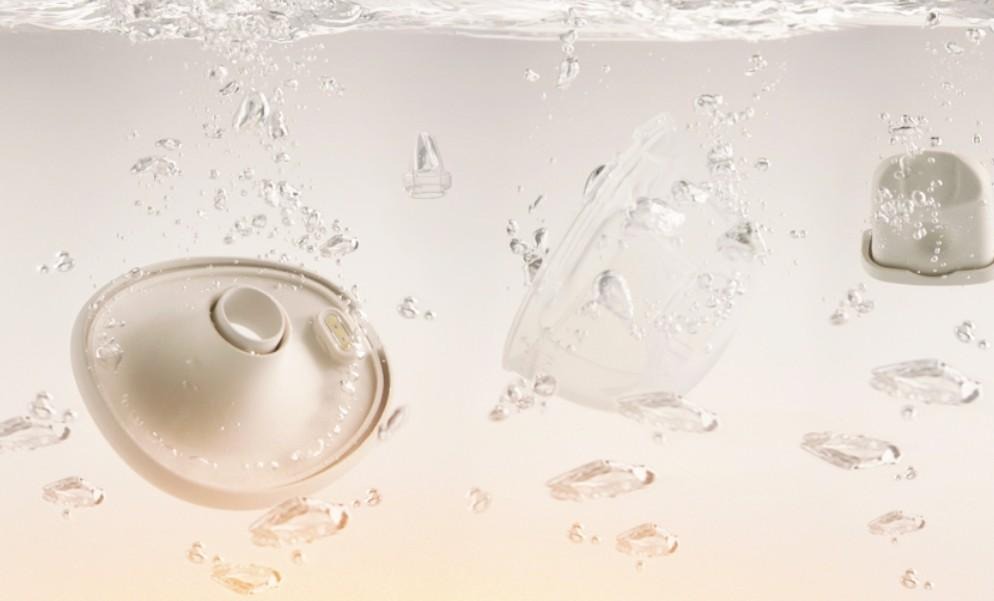
Both your health and the lifespan of your wearable breast pump depend on you following the right cleaning and hygiene practices. Bacterial accumulation and contamination may result from failing to clean your pump’s components after every usage. Make sure that every component that comes into contact with milk is routinely cleaned by following the manufacturer’s cleaning recommendations. Additionally, look for wear and tear, particularly on parts that might affect performance and suction, such as tubing and seals. Frequent upkeep and cleaning keep obstructions at bay and guarantee that your pump keeps operating effectively. You run the risk of sacrificing milk quality and pump efficiency if you ignore this duty.
Pumping Too Frequently or Infrequently
Insufficient or excessive pumping might interfere with milk production and impact your breastfeeding objectives. Over-stimulation from frequent pumping can be uncomfortable and may eventually impair your milk production. Conversely, insufficient pumping may cause your body to produce less milk. The secret is to strike a balance. Depending on their milk production and breastfeeding objectives, most moms should try to pump three to five times a day. Your pumping schedule can be guided by listening to your body and observing your baby’s eating habits. Maintaining ideal milk production without going overboard is made possible by regular, balanced pumping.
Conclusion
Using a wearable breast pump efficiently is all about optimizing your technique and establishing a consistent routine. You may increase milk flow while avoiding discomfort by ensuring a suitable fit, setting a pleasant atmosphere, and pumping on a regular basis. To protect the longevity of the pump and your health, avoid frequent errors such as failing to clean or alter pump settings. When used appropriately, wearable pumps may make juggling nursing and a hectic schedule much simpler. With these suggestions, you’ll be well on your way to a successful and pleasant pumping session. Proper use can help you meet your milk supply goals without stress or frustration. Read More
