


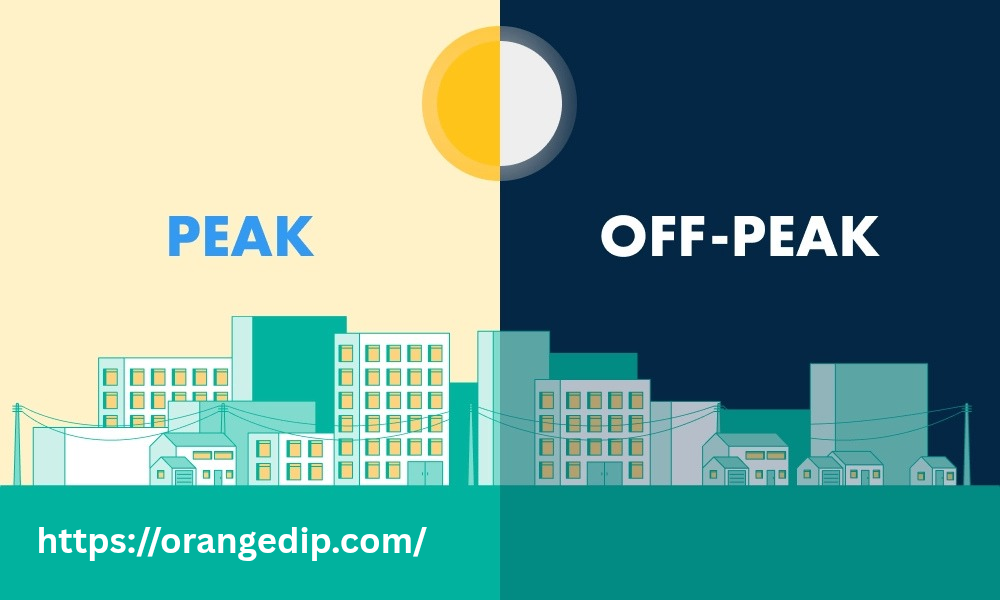
Electricity prices change throughout the year, but one of the smartest—and most overlooked—ways to save money is by switching electricity providers during off-peak seasons. While many consumers wait until summer or winter to review their plans, those seasons typically bring the highest demand and, in turn, higher rates. Off-peak months, usually found in spring and fall, offer a unique advantage: lower prices, more promotions, and better plan availability.
If you’re looking to improve your budget, secure better terms, or find a plan that aligns with your lifestyle, switching during low-demand seasons can make a noticeable difference. Here’s a clear, helpful guide to why off-peak switching is so beneficial and how you can take full advantage of it.
1. Off-Peak Seasons Offer More Competitive Pricing
Electricity providers adjust their rates based on supply and demand. During high-demand months—hot summers or freezing winters—prices typically rise as the grid works harder to keep up.
But during milder months:
- Air conditioning and heating usage decreases
- The grid experiences less strain
- Wholesale electricity prices drop
As a result, electricity providers often offer lower rates and better deals during off-peak seasons to attract new customers. This means it’s much easier to secure the best electricity price when the market is calm rather than when everyone else is shopping.
2. Providers Run Promotions and Incentives During Slow Periods
Just like retailers have sales during slower months, electricity providers also offer incentives when competition for new customers is lower. These promotions can include:
- Bill credits for enrolling
- Waived deposit requirements
- Gift cards or rewards
- Introductory discounts
- Lower fixed-rate pricing
- Bundled renewable energy add-ons
Switching during spring or fall lets you take advantage of deals that may not be available during peak demand periods.
3. You’re Less Likely to Experience Rate Spikes
Switching providers during peak seasons can be risky because rates fluctuate rapidly. Sudden heatwaves or winter storms can cause electricity prices to skyrocket with little warning. If you lock into a plan during these periods, you may end up paying more than necessary.
During off-peak months, however:
- Weather is more predictable
- Demand is stable
- Wholesale prices remain steady
This makes it easier to choose a plan without worrying about sudden rate jumps.
4. More Time to Compare and Make Thoughtful Decisions
When electricity bills start rising unexpectedly—usually during the hottest or coldest seasons—many consumers scramble to find a new plan quickly. This rush often leads to hasty decisions, overlooked fees, or confusion about contract terms.
Off-peak seasons, on the other hand, give you:
- Time to compare multiple providers
- Space to evaluate plan types
- Freedom to review contract details
- Less pressure to make a quick switch
A thoughtful, unhurried approach almost always results in better long-term savings.
5. Better Availability of Fixed-Rate Plans
Fixed-rate plans are among the most popular electricity options because they lock in your rate for the length of your contract. These plans are especially valuable when prices are low, but not always available—or competitively priced—during peak seasons.
In off-peak months, providers are more likely to offer:
- Lower fixed rates
- Longer contract terms
- More flexible start dates
- Fewer restrictions
This allows you to secure predictable pricing before demand climbs again.
6. Opportunity to Align Your Contract with the Market Cycle
Switching during off-peak seasons helps you create a renewal schedule that works with market trends rather than against them. For example, if you switch in spring, your contract may expire the following spring— before summer rates spike.
This timing allows you to:
- Renew during another off-peak period
- Avoid high-rate seasons entirely
- Lock in new competitive pricing each time
Strategically aligning your contract cycle with lower-demand months is one of the easiest long-term saving strategies.
7. Greater Access to Renewable Energy Plans
Renewable electricity plans—such as wind or solar—are growing in popularity. However, high demand during peak seasons can limit their availability or raise prices.
During off-peak seasons, consumers often find:
- Lower prices for green plans
- More variety in renewable options
- Attractive incentives for environmentally conscious customers
If sustainability is a priority for your household, switching during a low-demand period gives you more power to choose an affordable, renewable option.
8. You Avoid Auto-Renewing Into Higher Rates
Many electricity plans include automatic renewal clauses. If your contract expires during winter or summer, you may be rolled into a new rate that’s much higher than what you were paying—without even realizing it.
Switching during off-peak seasons helps you avoid:
- Expensive default rates
- Variable-rate shock
- Unfavorable contract terms
Instead, you pick a plan on your own terms, before providers have the upper hand.
9. Off-Peak Switching Provides a Budget Reset
Electricity costs can fluctuate wildly throughout the year. If you’ve experienced a particularly expensive season—like a hot summer—it’s a perfect time to rebalance your budget.
Switching providers during off-peak months allows you to:
- Lower your ongoing monthly bills
- Build predictability into your budget
- Reset your contract before prices rise again
- Start fresh with a plan that suits your lifestyle
This financial reset is especially helpful for families, seniors on fixed incomes, or households preparing for major expenses.
10. The Switching Process Is Faster and Smoother
Electricity providers and utilities tend to experience heavier workloads during peak seasons due to:
- Outage management
- High call volume
- Seasonal service requests
- Billing updates
- Enrollment surges
During off-peak months, switching is:
- Quicker
- Easier
- Less stressful
- More responsive on both sides
This means fewer delays and a smoother experience from start to finish.
Conclusion
Switching electricity providers during off-peak seasons is one of the smartest steps you can take to reduce your energy costs. With lower market prices, more promotions, better contract options, and less pressure to rush a decision, you position yourself to secure a rate that truly fits your household’s needs.
Whether you’re looking for long-term stability, renewable options, or simply the lowest possible rate, off-peak seasons offer the ideal environment to make a confident and cost-effective switch. A little timing goes a long way—and switching in the right season can deliver savings that last all year long.
