



Reducing property taxes can feel overwhelming, but it doesn’t have to be. With the right approach and expert guidance, homeowners can save significant amounts each year. Understanding your property assessment, identifying eligible exemptions, and appealing inaccuracies are key strategies to lower your tax burden. Expert tips also highlight how staying organized and informed about local tax regulations can make the process smoother. From using professional services to knowing which documents to prepare, there are proven methods to reduce property tax easily. These practical strategies empower homeowners to take control of their finances and avoid overpaying. By following expert advice, you can enjoy peace of mind while maximizing your savings.
Understanding Property Tax Assessments
Property tax is basically a fee homeowners pay based on the value of their home. Tax assessors look at your property and decide what it’s worth, then apply the local tax rate to that value. But guess what? Assessors can make mistakes! Maybe they recorded your home’s size wrong, or they think you have an extra bathroom when you don’t. These errors can lead to higher taxes. So, the first step in reducing property tax is to review your property tax card—this document lists all the details the assessor used. If you spot mistakes, that can be your ticket to appealing and lowering your bill.
Strategies to Reduce Property Tax
Wondering how you actually can appeal your property tax assessment? Think of it like a friendly debate with your town’s tax office. You gather evidence—like recent prices of similar homes nearby—and show why your home’s assessed value is too high. It’s a bit like bargaining or negotiating to get a better deal. Don’t worry if it sounds complicated. Start by checking your local deadlines because tax appeals must be filed on time. Then, collect all your documents and be ready to explain your case clearly. Sometimes, hiring a property tax consultant can help, especially if your case is tricky, but many folks have saved thousands just by doing it themselves.
Exemptions, Deductions, and Relief Programs
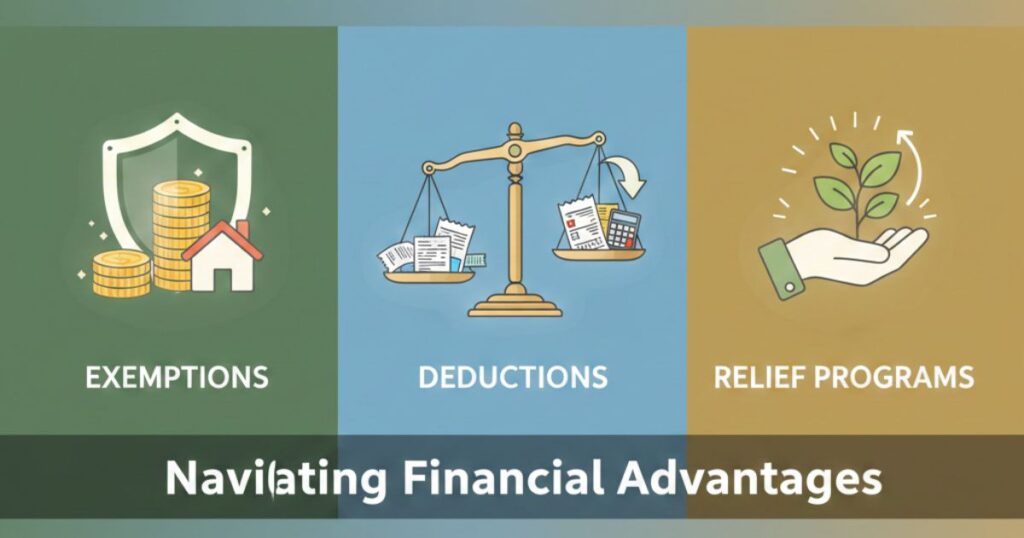
Did you know that you might qualify for exemptions that reduce your property tax automatically? Many states offer homestead exemptions that lower the taxable value of your main home. Seniors, veterans, and people with disabilities often get special relief, too. For example, if you’re over 65 or a veteran, you might pay less just by applying for these exemptions, which many people overlook. Additionally, some local governments have income-based relief programs if you meet certain financial requirements. It’s worth spending some time digging into what your state offers—you might be surprised at how many ways you can save.
Impact of Recent Tax Reforms
Tax laws aren’t stuck in time. In 2025, there were some changes, especially around the SALT (state and local tax) deductions that can affect your total tax bill. While these rules can get a bit technical, what matters to you is knowing if your property tax deductions got better or worse this year. Staying updated on reforms can help you plan—you don’t want to miss out on new opportunities to reduce property tax or risk paying more because you’re unaware.
Maintenance and Home Improvement Considerations
Here’s a little secret: making your home look fancier doesn’t always mean tax savings. In fact, flashy upgrades like high-end landscaping or luxury finishes might make assessors think your home is worth more, leading to higher taxes. So, while keeping your home in good shape is smart, be mindful before you pour money into big renovations right before assessment time. That doesn’t mean don’t improve your home, but timing and type of upgrades can make a difference in how much property tax you owe
Read More:What Are eCryptoBit.com tokens and How Do They Work
State-Specific Insights
Property tax rates vary a lot from state to state—some places are tax-friendly, while others can be tough on homeowners’ wallets. For example, states like Texas and Florida usually have higher property taxes than places like Hawaii or Alabama. Knowing how your state stacks up can help you decide whether it’s worth appealing your property taxes aggressively or considering other options like moving if the bills feel too heavy
FAQs
How can I Reduce Property Tax Easily with These Expert Tips?
Reducing property tax doesn’t have to be complicated. You can lower your property tax by carefully reviewing your property assessment for errors, appealing overvalued assessments, and claiming all eligible exemptions. Expert strategies also include understanding local tax laws, keeping accurate property records, and staying informed about new tax relief programs. Following these tips can maximize your savings while ensuring you comply with regulations.
What common mistakes should homeowners avoid when reducing property tax?
Many homeowners miss out on potential savings due to simple mistakes. Common errors include overlooking property tax exemptions, not reviewing assessment notices, and failing to provide proper documentation. Experts recommend carefully checking all records, double-checking your property’s valuation, and staying aware of deadlines. Avoiding these mistakes ensures you can reduce your property tax efficiently without unnecessary stress.
Are there professional services that can help reduce property tax?
Yes, professional services like property tax consultants and financial advisors specialize in helping homeowners minimize their tax burden. These experts can analyze your property records, identify potential exemptions, and guide you through the appeal process. Using a professional service can save time, prevent errors, and often lead to higher tax reductions than handling it on your own.
How much can I realistically save on my property taxes?
The amount you can save varies depending on your property’s assessed value, local tax rates, and available exemptions. Following expert tips—such as appealing incorrect assessments or claiming all eligible deductions—can lead to significant reductions. Some homeowners save hundreds or even thousands of dollars annually by taking a proactive approach and using professional guidance.
Which documents or proofs do I need to reduce property tax efficiently?
Having the right documentation is essential for a successful property tax reduction. Keep your assessment notices, property records, proof of exemptions, and any receipts for home improvements or renovations. Accurate, organized documentation helps support your appeal and allows experts to provide precise guidance. Being prepared ensures the process is smoother and increases the chances of successfully lowering your taxes.
Conclusion
Reducing property tax doesn’t have to be stressful. By following expert strategies, leveraging exemptions, and verifying property assessments, homeowners can significantly cut costs. Implementing these practical tips, inspired by finance professionals, ensures a smooth, stress-free path to lowering your property tax. Save money, stay informed, and enjoy the financial benefits of smart tax planning.
