


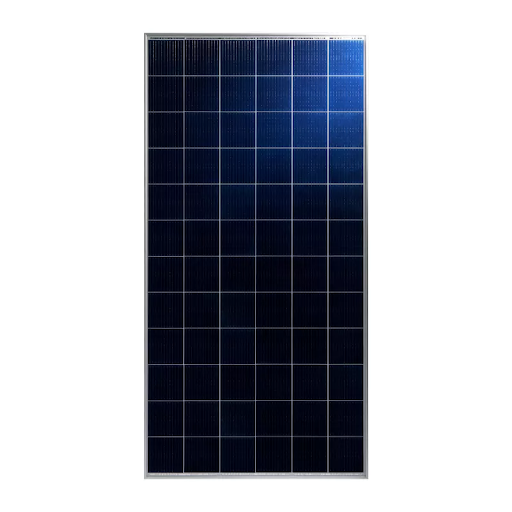
As electricity costs continue to rise and environmental concerns grow, more homeowners are turning to renewable energy to power their lives. Among all clean energy options, solar energy stands out as the most accessible, scalable, and cost-effective solution for residential use.
Harnessing the power of the sun is no longer a futuristic concept. Today, modern photovoltaic systems, smart inverters, and advanced battery storage solutions make it easier than ever to transform your home into a self-sufficient energy hub.
In this comprehensive guide, you’ll learn exactly how to harness solar energy for your home, step by step from understanding how it works to choosing the right system and maximizing long-term savings.
What Is Solar Energy and How Does It Work?
Solar energy is energy derived from sunlight using photovoltaic (PV) technology. When sunlight hits solar panels, photovoltaic cells convert solar radiation into direct current (DC) electricity. An inverter then converts that DC power into alternating current (AC), which your home appliances use.
This process happens silently, efficiently, and continuously throughout daylight hours.
Key components of a residential solar system include:
- Photovoltaic (PV) panels
- Solar inverter
- Mounting structure
- Net meter
- Optional battery storage system
Because sunlight is abundant and free, once your system is installed, your cost of electricity drops dramatically.
Why Homeowners Are Switching to Solar Power
There are several compelling reasons why residential solar adoption is accelerating worldwide.
1. Lower Electricity Bills
Solar panels allow you to generate your own power, significantly reducing reliance on the grid. Over time, the savings can offset installation costs entirely.
2. Energy Independence
With a properly sized system especially when paired with battery storage you gain protection from grid outages and fluctuating electricity prices.
3. Environmental Benefits
Unlike fossil fuels, solar power produces zero greenhouse gas emissions. Installing solar panels reduces your carbon footprint and supports global climate goals.
4. Increased Property Value
Studies show homes equipped with solar systems often sell faster and at higher prices.
Step-by-Step Guide to Harnessing Solar Power at Home
Transitioning to solar doesn’t have to be complicated. Follow this structured approach to ensure success.
Step 1: Evaluate Your Home’s Energy Consumption
Before installing solar panels, review your electricity bills from the past 12 months.
Look at:
- Average monthly kWh usage
- Peak usage seasons
- High-consumption appliances
This assessment helps determine the correct system size.
For example:
- Small homes: 3–5 kW system
- Medium homes: 5–8 kW system
- Large homes: 8–12+ kW system
Proper sizing ensures optimal efficiency and return on investment.
Step 2: Assess Roof Suitability
Solar panels perform best on:
- South-facing roofs (in the Northern Hemisphere)
- Roofs with minimal shading
- Structurally sound surfaces
If roof installation isn’t feasible, ground-mounted systems are a viable alternative.
Step 3: Choose the Right Equipment
Not all solar components are equal. High-efficiency monocrystalline panels typically offer better performance and longer warranties.
Additionally, modern smart inverters maximize energy harvest and provide real-time monitoring.
Choosing advanced solar solutions ensures better durability, system optimization, and future scalability.
Step 4: Decide on Grid-Tied vs Off-Grid Systems
There are three primary residential configurations:
Grid-Tied System
- Connected to the utility grid
- No batteries required
- Most affordable option
Hybrid System
- Connected to grid + battery storage
- Offers backup during outages
Off-Grid System
- Completely independent
- Requires larger battery banks
For most homeowners, hybrid systems provide the best balance between cost and reliability.
Step 5: Consider Battery Energy Storage
Battery storage allows you to:
- Store excess daytime production
- Use power at night
- Maintain electricity during outages
Lithium-ion and LiFePO₄ batteries are popular for residential use due to their longevity and efficiency.
Adding storage increases upfront costs but significantly enhances energy resilience.
Step 6: Installation and Permits
Professional installers handle:
- Site inspection
- Engineering design
- Electrical integration
- Local permits and approvals
- Final commissioning
Installation typically takes 1–3 days depending on system size.
Maximizing the Benefits of Residential Solar
Installing solar panels is just the beginning. To fully harness solar power:
Monitor System Performance
Use smart apps or dashboards to track production and consumption.
Optimize Energy Usage
Run heavy appliances during peak sunlight hours.
Maintain Clean Panels
Occasional cleaning ensures maximum sunlight absorption.
Upgrade When Needed
Modern systems allow easy expansion if your energy needs grow.
Financial Considerations and ROI
Although initial installation costs can range between $8,000–$25,000 depending on size, incentives and rebates significantly reduce net investment.
Typical ROI timeline:
- 5–8 years (with incentives)
- 8–12 years (without incentives)
After payback, your electricity becomes nearly free for decades.
Solar panels generally carry 25-year performance warranties, making them one of the most reliable home upgrades available.
Common Mistakes to Avoid
When adopting solar energy, avoid these pitfalls:
- Undersizing your system
- Ignoring shading analysis
- Choosing low-quality components
- Hiring unlicensed installers
- Skipping battery consideration
A strategic approach ensures long-term performance and savings.
Why Invest in Professional Solar Solutions?
Choosing high-quality providers makes a substantial difference in system longevity and efficiency.
Reliable solar solutions offer:
- Advanced engineering
- High-efficiency photovoltaic modules
- Smart energy management systems
- Scalable battery storage
- Long-term technical support
When you invest in premium solar infrastructure, you secure decades of clean energy production
Environmental Impact of Home Solar Systems
Transitioning to solar can offset:
- 3–4 tons of CO₂ annually per household
- Thousands of gallons of water used in fossil fuel power generation
- Air pollutants linked to respiratory diseases
Moreover, decentralized renewable energy strengthens grid stability and national energy security
The Future of Residential Solar
The global renewable energy market continues expanding rapidly. Innovations in:
- High-efficiency PV cells
- Perovskite solar technology
- Smart grid integration
- AI-powered energy management
are making home solar systems even more powerful and affordable.
As battery prices decrease and efficiency increases, solar adoption will only accelerate.
Frequently Asked Questions (FAQs)
1. How much sunlight does my home need for solar panels?
Most homes receive sufficient sunlight for solar viability. Even partially cloudy regions can benefit because modern panels capture diffuse sunlight efficiently.
2. What happens during a power outage?
Grid-tied systems shut down for safety. However, hybrid systems with batteries continue supplying power.
3. How long do solar panels last?
Most panels last 25–30 years, with performance guarantees ensuring at least 80–85% output after 25 years.
4. Are solar panels difficult to maintain?
Not at all. They require minimal maintenance — occasional cleaning and annual inspection are typically sufficient.
5. Can I expand my system later?
Yes. Many systems are modular, allowing additional panels or batteries as your needs grow.
6. Will solar panels damage my roof?
When professionally installed, solar systems protect roofing materials and may even extend roof lifespan.
7. Is battery storage necessary?
Not mandatory, but highly recommended if you want backup power or maximum energy independence.
8. Is solar worth the investment?
Absolutely. With long-term savings, environmental benefits, and rising electricity prices, solar remains one of the smartest home investments available.
Final Thoughts
Harnessing solar energy for your home is no longer a luxury it’s a practical, forward-thinking decision. By carefully evaluating your energy needs, selecting high-quality equipment, and investing in reliable solar solutions, you position your household for long-term savings, sustainability, and independence.
