

Hey, teacher or curious student, imagine handing in an essay that sounds perfect, but your teacher squints and says, “This doesn’t sound like you.” That’s the magic (or nightmare) of spotting AI rewriting versus real human thinking. Studies show teachers nail it about 70% of the time by catching sneaky style shifts in AI generated content. You’re not fooling anyone for long when your words lack that spark of true thought. Let’s dive in and uncover how they do it, so you can write smarter or teach sharper.
Why AI Fools No One Anymore
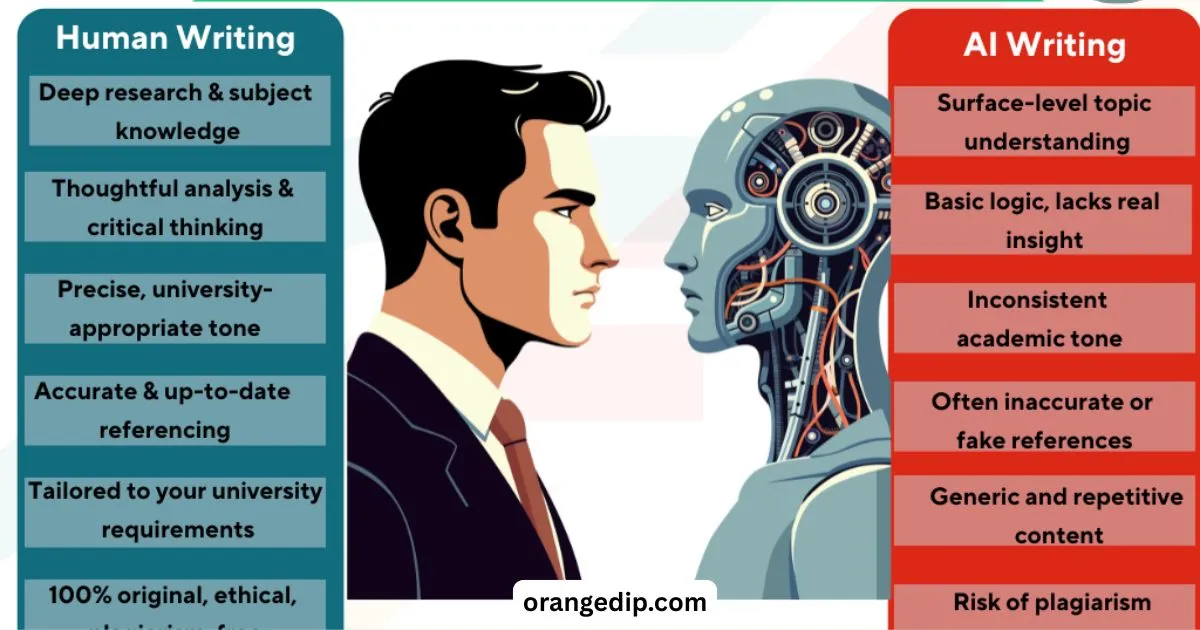
Picture AI as a super smart robot copying homework. It churns out essays fast, but misses the heart. Teachers spot AI generated essays because they repeat the same boring phrases over and over, like a song stuck on loop. No emotional depth jumps out; it’s all flat facts without your personal “aha!” moments. Student writing bursts with real feelings, wild ideas from your life, while AI rewriting stays safe and bland. Feel that frustration? That’s why professors detect AI so easily now; your unique voice shines through human thinking every time.
Core Detection Strategies
Teachers have tricks up their sleeves that make detecting AI generated work a breeze. First, they pull out your old handwritten notes or past essays for a baseline check, sudden jumps in polish scream “AI help!” Next, they hunt inconsistencies, like perfect grammar mixed with weird gaps in logic that don’t match how you usually think. Compare typed to handwritten style, and the truth pops out. It’s heartwarming how this simple step protects academic integrity, keeping your hard work honest and valued.
Top Tools Professors Swear By
No cape needed, teachers grab powerful AI tools to fight back. Turnitin AI flags sneaky ChatGPT tricks with high accuracy, but watch for false positives that might tag your own great work. GPTZero and Copyleaks shine too, scanning for AI generated content by measuring weird patterns in student writing. Winston AI joins the party, nailing plagiarism checkers against human flair. Pros? They save hours. Cons? No tool’s perfect; combine them with your gut for wins. Imagine the relief when these best AI writing checkers for teachers catch cheats red handed!
Stylistic Red Flags: Perplexity and Burstiness Breakdown
Ever notice AI text flows too smoothly, like a robot reading from a script? That’s low perplexity, no surprises, and zero burstiness, meaning every sentence matches like cookie cutter clones. Human writing dances: short zingers, long rants, quirky twists from your brain. Teachers spot AI vs human writing here. Your essays have that lively pop from real thinking, full of writing style shifts only you create. It’s exciting to see how these red flags, like uniform tones, give away AI every time.
Can Teachers Always Tell If It’s AI Generated?
You might wonder: “Can teachers genuinely detect AI written essays?” Short answer: Pretty often, but not always, studies show limits, especially with clever tweaks. False positives trip up simple human work, and super advanced AI blurs lines. But pair tools with experience, and accuracy soars. Think about non native speaker detectors, which sometimes flag their natural style unfairly. Honest truth: No magic wand, but teachers’ smarts make them tough to beat.
Training Teachers for the AI Era
So how do teachers keep up as AI gets smarter? Here’s a game changer competitors skipped: Teachers need training to stay ahead. Picture free workshops on teacher AI literacy training, teaching them to spot ChatGPT in student papers beyond gadgets. Digital literacy programs build skills like analyzing perplexity hands on, turning educators into detection pros. Start with 5 simple sessions: 1) Baseline building, 2) Tool demos, 3) Style hunts, 4) False positive fixes, 5) Policy chats. Feel empowered? This gap filler keeps classrooms fair and fun.
Beyond Tech: Human Intuition Wins
Tools are cool, but nothing beats a teacher’s nose for fakes. They chat with you in oral defenses, AI can’t fake your passion! Interviews reveal if your essay matches your voice, dodging AI pitfalls. Strategies to combat AI content? Redesign assignments for personal stories that only you know. It’s that warm gut feeling human intuition spots the soul in writing style, where AI generated work feels hollow. You’ll love how this keeps learning real.
What If AI Evolves? Future Proofing Classrooms
AI won’t stop growing, so what now? Future proof with adaptive detectors tracking ChatGPT 5 trends. Policies shift to hybrid rules: Use AI as a tool, not a cheat. Teachers prep by testing evolving AI vs human essay markers, staying one step ahead. Imagine classrooms buzzing with “AI assisted” badges, honest and innovative. This forward thinking shields academic integrity long term, easing worries about tomorrow’s tech tricks.
How Do You Spot ChatGPT in Student Papers?
Finally, let’s break down practical tips to spot ChatGPT in real student papers. Straight talk: “How do you spot ChatGPT in student papers?” Look for hedging like “it’s not just this, it’s that,” em dashes everywhere, and generic fluff. Real examples? Essays naming “perplexity” oddly or lacking your life’s messy wisdom. Common signs of generated content: No risks, no flair. Teachers use strategies teachers use beyond technology for AI detection, like asking “Why this angle?” to unmask fakes. Try it, your heart will know the difference.
Read More: Why Most People Plan Travel the Wrong Way and How to Do It Better
FAQs
How do teachers detect AI generated work in essays?
Teachers check for unnatural phrasing, repetitive patterns, and flat tones that scream “robot wrote this.” They compare it to your past student writing, sudden perfection feels off, keeping academic integrity strong, and your real efforts shine.
Can professors detect AI written essays every time?
Not 100%, but about 70% success with tools like Turnitin AI spotting perplexity issues and style shifts from your baseline. False positives happen, especially for simple human work, so they mix tech with gut checks for fairness.
What are the best AI writing checkers for teachers?
Top picks: GPTZero for burstiness scans, Copyleaks for quick plagiarism checks, and Winston AI for deep dives into ChatGPT tricks. Pros save time; pair with handwritten compares to dodge false positives and nail AI generated content.
How do you spot ChatGPT in student papers?
Hunt hedging phrases like “not just X, but Y,” em dashes everywhere, and zero personal spark real human thinking bursts with your life’s messy wisdom. Teachers use strategies beyond technology, like oral chats, to unmask fakes fast.
What risks come with unethical AI use in assignments?
Big ouch: failing grades, lost trust, and missed learning that stings long term. It kills academic integrity, but smart hybrid use (AI as a helper, not a writer) builds skills, teachers spot risks of unethical AI use, and reward honest effort.
Conclusion
Wrapping up, you’ve got the full toolkit now to spot AI rewriting versus that irreplaceable human thinking spark, whether you’re a teacher guarding your classroom’s heart or a student aiming to shine with your own voice. From baselines and burstiness breakdowns to tools like Turnitin AI and gut check chats, these strategies keep academic integrity alive and kicking, dodging the flat robot vibes of AI generated essays every time. Imagine the pride in knowing your words carry real emotion, wild ideas, and that personal punch no bot can fake. I/t’s what makes learning feel alive and rewarding.
