


Energy independence, resiliency, and renewable integration are no longer futuristic ideas but mainstream priorities for homeowners, businesses, and remote operations. Whether you want to store excess solar power for nighttime use or maintain reliable backup power during outages, choosing the right energy storage battery is essential. However, with a wide variety of technologies, capacities, and configurations available today, the decision can be overwhelming.
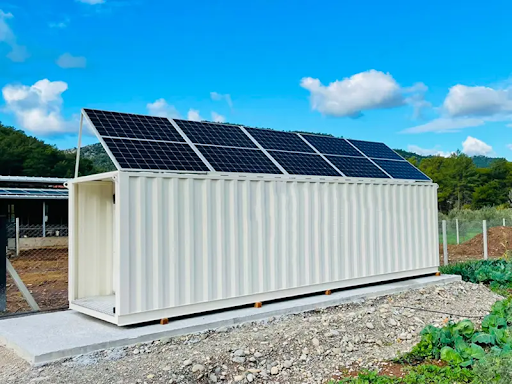
One of the best ways to simplify this selection process is to consider integrated systems designed for adaptability and performance such as the solar container and mobile solar container solutions. These units combine storage and solar generation into complete, deployable systems that maximize efficiency and reliability.
In this guide, you’ll learn how to evaluate energy storage batteries, compare key features, and determine which setup is best for your specific needs. By the end, you’ll understand exactly what to look for and how to invest in a solution that delivers long-term value and peace of mind.
Why Choosing the Right Energy Storage Battery Matters
An energy storage battery isn’t just another piece of equipment it’s the foundation of your self-sufficient power infrastructure. The right battery affects:
- System efficiency: How much of your generated energy you can store and use
- Performance reliability: How well the battery handles loads and cycling
- Lifespan and durability: How long it can serve you before needing replacement
- Safety: Especially important when integrating with solar power systems
- Cost-effectiveness: Total cost of ownership over time
Therefore, the quality, capacity, and design of your battery can make all the difference between a system that performs flawlessly and one that underdelivers.
Step-by-Step Guide to Choosing the Right Energy Storage Battery
Understand Your Power Requirements
Before investing in any storage solution, start by assessing your energy usage patterns. Calculate:
- Average daily electricity consumption (kWh)
- Peak loads (how much power your devices draw at once)
- Backup needs (how long you need stored power during outages)
For example, if you use 20 kWh per day and want two days of backup, you’d need at least 40 kWh of usable storage capacity. Understanding your true needs helps prevent overspending on oversized systems or under-investing in insufficient storage.
Determine Battery Chemistry & Performance Characteristics
Battery chemistry affects cost, performance, and lifespan. The most common options include:
Lithium-ion (LiFePO4):
- High energy density
- Long cycle life
- Excellent efficiency
- Proven safety record
- Higher upfront cost but better long-term value
Lead-acid (AGM/GEL):
- Lower upfront cost
- Shorter cycle life
- Lower depth of discharge
- Bulky and heavier
For most efficient, long-lasting systems particularly when paired with portable or large-scale solutions such as the mobile solar container lithium-based batteries remain the preferred choice.
Choose the Right Capacity and Power Output
Battery capacity, measured in kilowatt-hours (kWh), reflects how much energy the battery can store. However, power output — measured in kilowatts (kW) — shows how much power it can deliver at a given moment.
When selecting a battery:
- Ensure it provides enough capacity for your usage
- Check the power rating so it can handle peak loads without derating
- Look for high depth of discharge (DoD) so you can use more of the stored energy
- Prioritize high round-trip efficiency to minimize energy loss
Matching capacity and output prevents scenarios where you run out of energy too fast or pay for unused storage.
Evaluate Safety and Certification Standards
No matter how efficient a battery is, safety is paramount. Batteries must include:
- Built-in management systems (BMS) to prevent overcharge/overdischarge
- Thermal runaway protection
- Short-circuit protection
- Certified compliance with international safety standards (UL, IEC, CE, etc.)
Modern lithium batteries, especially those used in durable solar setups like a solar container, are engineered with multiple layers of protection to ensure safe operation even under heavy use.
Consider Integration with Renewable Sources
Your energy storage battery must integrate seamlessly with solar panels, inverters, and controllers. This is where comprehensive solutions like the solar container shine — they are designed as holistic power systems that unify generation, storage, and distribution.
A truly integrated system:
- Enhances overall efficiency
- Reduces installation complexity
- Improves monitoring and automated control
- Supports future scalability
If you want a plug-and-play or modular solution that rapidly deploys and performs reliably, systems like solar container solutions are ideal.
Review Warranty, Support, and Lifespan
High-quality energy storage batteries should come with clear warranty coverage. Look for:
- Manufacturer warranty of 8–15 years
- Performance guarantees over time
- Replacement or repair assurances
- Access to professional support
Longer warranties often correlate with higher confidence from manufacturers in their product’s long-term performance.
Evaluate Cost and Total Value
While initial price matters, you should calculate:
- Total cost of ownership (TCO)
- Projected lifespan
- Operational savings (energy bill reduction)
- Maintenance costs
A more expensive but longer-lasting lithium battery system often offers lower TCO than cheaper lead-acid equivalents.
Test Performance Through Monitoring Tools
Advanced energy storage batteries often come with monitoring dashboards that allow you to:
- Track energy production
- Monitor usage patterns
- Analyze performance over time
- Predict maintenance needs
- Optimize battery cycling
Smart monitoring not only improves efficiency but also prolongs battery life by reducing unnecessary strain.
Examples of Ideal Implementations: Solar Containers
Energy storage batteries gain even more value when combined with robust renewable power systems. One standout example is the solar container a containerized solar generation and storage solution that is rapidly becoming a leader in residential, commercial, and off-grid energy applications.
These systems offer:
- Pre-integrated solar arrays and battery banks
- Weather-resilient housings
- Rapid deployment
- Scalable architecture
- Intelligent energy management
For users who want an all-in-one system rather than piecemeal components, solar container solutions deliver immediate performance with minimal setup hassle.
Why Mobile Solutions Are Gaining Traction
The mobile solar container takes solar storage flexibility to the next level. Because these systems are housed in transportable units, they can be:
- Used for temporary sites
- Deployed in remote locations
- Transported between properties
- Scaled based on seasonal needs
- Repurposed for emergency power
For households, businesses, farms, construction zones, and disaster relief operations, mobile solar storage is a future-ready choice.
How to Maintain Your Energy Storage Battery for Longevity
Once you’ve chosen the right battery, proper maintenance further maximizes its performance:
Monitor temperature conditions — extreme heat or cold affects efficiency.
Avoid deep discharges use automated BMS settings to prevent excessive draining.
Keep battery terminals clean prevent corrosion and ensure solid connections.
Review software updates firmware upgrades often improve performance and safety.
Check electrolyte levels (for non-sealed systems) — maintain optimal chemical balance.
Regular inspections by certified technicians can prevent issues before they impact performance.
FAQs: Choosing the Right Energy Storage Battery
1. What size energy storage battery do I need?
Determining the right size depends on your average daily energy usage (kWh) and how long you want backup power. Use energy bills and peak load analysis to calculate the optimal capacity.
2. Are lithium batteries better than lead-acid?
Yes. Lithium-ion batteries offer longer life, higher efficiency, deeper discharge, and less maintenance than lead-acid options.
3. Can solar panels charge a residential battery?
Absolutely. Solar panels can charge a battery system during sunlight hours, using excess power to store for nighttime or cloudy days.
4. How long do energy storage batteries last?
Good quality lithium systems typically last 10–15 years with proper maintenance. Some flow or advanced systems last much longer.
5. Do mobile solar container systems work in all weather?
Yes. These systems are engineered with weather-resistant enclosures and high-efficiency panels designed to operate under diverse environmental conditions.
6. Is backup power included with all energy storage batteries?
Most modern batteries include backup capability, but check system specifications for critical load support.
7. How does a solar container compare to a traditional battery setup?
Solar containers combine generation and storage in one modular system, reducing installation complexity and often offering higher deployed efficiency than separate systems.
8. What maintenance is required for energy storage batteries?
Routine tasks vary by battery chemistry but generally include temperature monitoring, software updates, connector checks, and occasional cleaning.
Final Thoughts
Choosing the right energy storage battery is a crucial step in unlocking full energy independence, reducing reliance on utility grids, and minimizing long-term power costs. By understanding your energy needs, evaluating technical specifications, and selecting a solution from trusted platforms like the solar container and mobile solar container systems, you can ensure high performance, longevity, and a smooth user experience.
A thoughtfully chosen and installed battery system doesn’t just store power—it elevates the performance of your entire energy ecosystem, giving you peace of mind no matter what comes next.
